Why the Jamaican Food Centennial Is a Feast Worth Celebrating
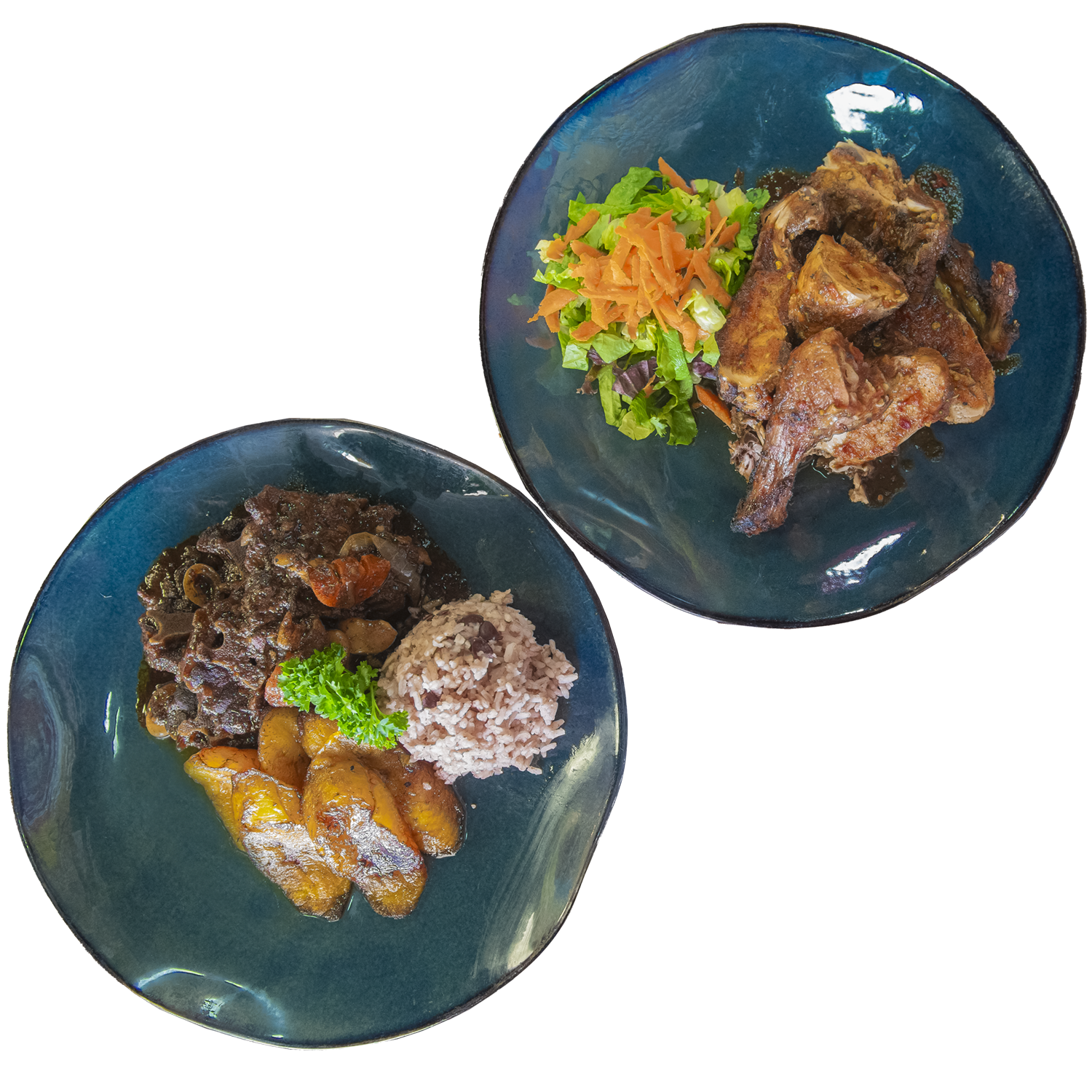
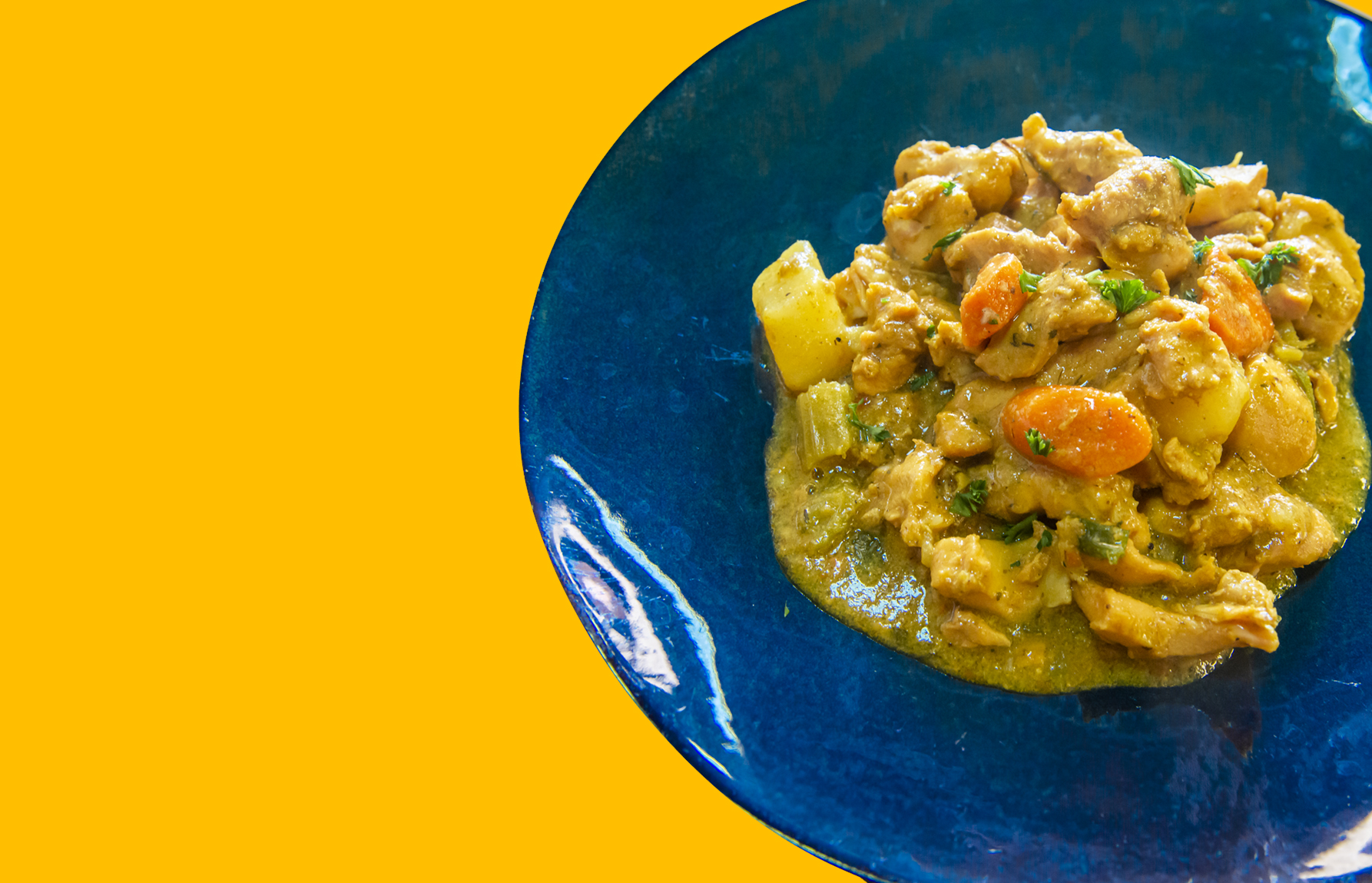
A centennial invites more than nostalgia. It asks people to stop, look back, and decide what deserves to be carried forward with care. When the subject is food, that question becomes especially vivid, because food is never only food. It is memory, migration, survival, pride, and daily craft. The idea of a jamaican food centennial deserves that kind of attention, not as a marketing slogan, but as a meaningful celebration of a cuisine that has shaped tables far beyond the island itself.
Jamaican cooking has always done something remarkable. It turns history into flavor without flattening hardship or complexity. A plate of ackee and saltfish, a bowl of mannish water, a wrapped piece of duckunoo, or a smoky portion of jerk tells a story that stretches across Indigenous knowledge, African inheritance, European colonial rule, Asian influence, and Caribbean ingenuity. The result is not a tidy culinary timeline. It is a living tradition that keeps adapting while still tasting unmistakably of Jamaica.
That is why a centennial matters. A hundred-year marker, whether tied to a formal festival, a national culinary archive, a restaurant institution, or a broader symbolic recognition of Jamaican food’s modern journey, gives people a chance to celebrate more than recipes. It honors the cooks who built this cuisine in market stalls, home kitchens, roadside jerk pans, sugar estate yards, fishing communities, church halls, and family gatherings. It also creates room to talk about where Jamaican food has been misunderstood, commercialized, and, at times, reduced to one-note stereotypes.
The feast worth celebrating is not just on the plate. It is in the history behind it.
A cuisine shaped by movement, pressure, and invention
Jamaican food did not emerge from a single source. It was formed under pressure, and that fact explains much of its power. The island’s foodways grew from a long and often painful convergence of peoples and ingredients. The Taíno left a foundational imprint, especially in methods like barbacoa, which later fed into what the world now knows as jerk. Enslaved Africans brought techniques, crops, and a deep understanding of seasoning, starches, stews, and one-pot cooking. European colonizers introduced new livestock, preserving methods, and plantation structures that transformed what was available and who had access to it. Indian and Chinese communities later added their own influence through spices, curries, methods of frying, and retail food culture.
Real Jamaican cooking reflects that layered history. It is not static, and it was never “pure” in the narrow way some food writing likes to imagine. The genius of the cuisine lies in how those influences were absorbed and made local. Salted cod, imported through colonial trade, became the backbone of the national dish. Breadfruit, once brought to feed enslaved laborers cheaply, became beloved in its own right, roasted over flame, boiled, or turned into chips and mash. Scotch bonnet peppers, pimento, thyme, scallion, allspice, ginger, and garlic became less like ingredients and more like a language.
Anyone who has spent time around serious Jamaican cooks knows that recipes are often less exact than outsiders expect. You learn by smell, texture, and sound. A pot “throws” a certain scent when the seasoning is right. Oil rises at a certain moment. Dumplings tell you when they are done by resistance and bounce, not a timer. Rice and peas is not difficult in theory, but making it taste balanced, fragrant, and distinct rather than muddy or overcooked is a skill that can take years to internalize.
That practical wisdom is part of what a centennial should spotlight. Great cuisines are sustained by technique as much as ingredients.
Why Jamaican food continues to command global respect
Jamaican food has traveled exceptionally well, though not always on equal terms. In London, Toronto, New York, Miami, and many other cities, Jamaican restaurants became anchors of immigrant neighborhoods and then drew wider audiences. Some diners first arrived for patties or jerk chicken and then stayed long enough to discover curry goat, oxtail, callaloo, escovitch fish, brown stew snapper, steamed cabbage, and festival. Others still know only a narrow slice of the cuisine, often filtered through takeaway culture.
Even so, Jamaican food’s global standing is not accidental. The cuisine offers three things that resonate almost everywhere: intensity, comfort, and character. The seasoning is unapologetic. The textures are satisfying. The dishes carry a point of view. A proper jerk marinade does not aim for polite heat. It builds depth from thyme, pimento, scallion, garlic, ginger, and Scotch bonnet, then lets smoke complete the argument. A well-made curry goat should not taste merely curried. It should taste rounded, developed, and patient. A good patty is never just convenient street food. The pastry matters, the filling matters, and the balance between flaky crust and savory interior matters.
There is also emotional range in Jamaican food. Some dishes are celebratory, tied to Sunday dinner, Christmas, or a family gathering that starts before noon and stretches into evening. Others are deeply practical, the kind of food that can feed many people affordably and well. Red peas soup, rundown, cornmeal porridge, and fried dumpling carry as much cultural weight as the more internationally promoted dishes. That breadth is one reason the jamaican food centennial deserves a serious audience. It is not a tribute to one famous export. It is recognition of a whole culinary system.
The dishes that carry the story
A centennial celebration should never flatten Jamaican food into a small set of crowd-pleasers. Yet there are a few dishes that reliably open the door for deeper appreciation, because each one captures a different side of the cuisine.
- Ackee and saltfish shows Jamaica’s gift for turning imported and local ingredients into something entirely its own, savory, delicate, and rich without heaviness.
- Jerk represents technique as much as seasoning, especially the relationship between spice, smoke, and slow cooking over pimento wood.
- Curry goat reveals the influence of Indian indentured laborers and the way Jamaican cooks transformed curry into a distinct local style.
- Escovitch fish demonstrates the island’s skill with acid, heat, and texture, especially the contrast between crisp fried fish and sharp pickled vegetables.
- Patties prove that portability does not require compromise, and that street food can carry real craft.
What is striking about these dishes is that each one is easy to imitate poorly. That has happened often as Jamaican food has spread. Jerk becomes generic spicy barbecue. Patties become greasy pastries with little structure. Ackee is treated as a novelty ingredient rather than a delicate component requiring care. Curry goat gets rushed. This is another reason a centennial matters. It gives practitioners a chance to insist on standards, context, and respect.
The work behind the flavor
People often romanticize heritage food while overlooking the labor it demands. Jamaican food is full of dishes that ask for time, judgment, and repetition. Sorrel must be steeped and balanced carefully so it tastes bright rather than flat. Oxtail needs patient braising and proper reduction. Yam, green banana, coco, and dasheen each behave differently in boiling pots and soups. Callaloo requires an experienced hand if it is to stay vivid and fresh-tasting instead of collapsing into bitterness.
Then there is the market culture behind the meals. The quality of scallion, thyme, peppers, fish, and ground provisions can make or break a dish before the cooking even starts. Experienced cooks know when a breadfruit is ready for roasting, when a snapper is fresh enough for escovitch, and when a bundle of callaloo will hold up in the pan. Those judgments do not come from trend reports. They come from years of feeding people and paying attention.
In many Jamaican households, food knowledge is still transmitted socially rather than formally. You stand nearby, help wash, peel, stir, season, and serve. You get corrected. You learn what “enough” pepper means for that family, because every household has its own ceiling for heat. You discover that one auntie prefers her rice and peas coconut-forward, while another wants a drier grain and a more restrained hand with the allspice. You realize that “authentic” is often more plural than people admit.
A well-designed centennial celebration would make room for those differences rather than smooth them out. Parish traditions differ. Family methods differ. Rural and urban habits differ. The food is stronger for that variation.
More than nostalgia, it is an economic and cultural asset
Jamaican food carries commercial power, and that power should be part of the conversation. Restaurants, small food businesses, caterers, bakers, farmers, fishers, market vendors, jerk pit operators, and spice producers all benefit when the cuisine is taken seriously. Culinary tourism also matters. Visitors may arrive curious about beaches and music, but many leave talking about the breakfast, the roadside soup, the roast fish by the sea, or the jerk stop that had a line long before sunset.
Still, economic opportunity comes with trade-offs. As demand grows, shortcuts creep in. Imported substitutes replace local ingredients. Menus become simplified for perceived foreign tastes. Heat gets dialed down. Smoke gets replaced by bottled sauce. Portions get larger while flavor gets duller. None of this is unique to Jamaica, but the risk is real. Once a cuisine becomes globally recognizable, it can be hollowed out by its own popularity.
That is why celebration must be paired with stewardship. A centennial should not only praise what Jamaican food has achieved. It should ask how to protect quality, train younger cooks, support ingredient supply chains, and ensure that the people doing the work benefit from the cuisine’s jamaican food centennial rising profile. The most meaningful food anniversaries are not pageants. They are opportunities to invest in the future.
The diaspora has expanded the table
One of the most compelling reasons to celebrate Jamaican food at a centennial scale is the diaspora’s role in sustaining and evolving it. Walk through neighborhoods in South London, Scarborough, the Bronx, Brooklyn, Broward County, or parts of Hartford, and you will see how food became a bridge between home and elsewhere. For many migrants, cooking Jamaican food was not a hobby. It was a way to preserve identity under pressure.
That preservation often required adaptation. Ingredients changed. Climate changed. Customers changed. Scotch bonnet might be harder to source in one era and easy in another. Fish varieties differed. Certain yams were unavailable. Bakers adjusted pastry to local flour. Restaurant owners made tactical compromises to survive in competitive urban markets. Yet the core instinct remained the same: season boldly, cook with conviction, feed generously.
Some of the most memorable Jamaican meals outside Jamaica come from places that understand both tradition and adaptation. A Toronto patty shop might tighten its workflow in a way a small island bakery never needed to, while still respecting flavor. A London restaurant might pair classic jerk with a contemporary dining room without stripping out the smoke and spice that give it integrity. Diaspora cooking, at its best, does not betray the source. It proves the cuisine is durable.
The jamaican food centennial concept resonates strongly here because centennials are as much about transmission as they are about origin. If the next hundred years are to be as rich as the last, the diaspora will remain central.
Celebration should include the foods outsiders often miss
When Jamaican cuisine is reduced to a handful of famous dishes, something important is lost. The quieter foods, the ones less likely to dominate travel brochures or social media clips, often reveal the most about everyday life. Think of boiled green banana with mackerel, pumpkin soup thickened just enough to feel hearty but not heavy, or runnings from a pot used to flavor the next stage of a meal. Think of bun and cheese at Easter, of a cup of hot chocolate made with grated cocoa and spices, of roast yam with saltfish under a zinc roof while rain drums overhead.
These details matter because food heritage is built as much in repetition as in spectacle. A centennial worth celebrating should honor ceremony and routine alike. It should leave room for the grandmother who can stretch a stew to feed surprise visitors, the vendor who has sold soup for decades, the baker whose spice bun tastes the same every season because the method has never wavered.
Professionals in hospitality sometimes underestimate how powerful these ordinary foods can be for visitors and younger generations. The dramatic plate gets attention, but the modest one often earns loyalty. That insight is useful for anyone thinking about Jamaican food beyond nostalgia, especially restaurateurs, tourism boards, and event planners.
What a meaningful centennial celebration could look like
A food centennial should feel alive, not museum-bound. There is a place for archives, exhibitions, and oral histories, but the strongest celebrations put cooks and eaters in direct contact. That means tastings, demonstrations, intergenerational conversations, and neighborhood-level participation rather than only polished gala events.
A thoughtful celebration might include a few practical elements:
- live cooking led by home cooks as well as chefs, because technical expertise does not belong only to restaurant kitchens
- storytelling sessions that connect dishes to migration, farming, fishing, and family ritual
- youth programs that teach foundational recipes and ingredient knowledge
- regional showcases that highlight parish differences and lesser-known dishes
- support for small vendors, whose work often carries the strongest continuity with tradition
The point is not to turn Jamaican food into a static heritage object. It is to keep it in motion while giving people better tools to understand it.
Why this centennial speaks to more than Jamaica
Jamaican food matters far beyond the island because it models something many cultures are still trying to articulate. It shows how a cuisine can be fiercely local and globally influential at the same time. It proves that food born in difficult historical conditions can become a source of dignity, joy, and economic possibility without erasing the pain embedded in its past.
There is also a lesson here for broader food culture. Too much contemporary food conversation rewards novelty over depth. Jamaican food resists that trap. Its appeal does not depend on constant reinvention. It depends on cooking things well, understanding why they matter, and recognizing that flavor without history is thin. A bowl of pepper pot or a slice of cassava pone has gravity because it comes from somewhere real.
For professionals in food media, hospitality, and culinary education, this is worth remembering. The cuisines that endure are not always the ones with the flashiest branding. They are often the ones with the strongest everyday roots. Jamaican food has those roots in abundance.
A feast of memory, skill, and future promise
Marking a hundred years jamaican food centennial in any food tradition is an invitation to taste more carefully. The celebration attached to a jamaican food centennial should not be limited to national pride, though pride certainly belongs in the room. It should also be about craft, continuity, and honest recognition of the people who kept this cuisine alive through labor that was often unglamorous and underpaid.
Every serious food culture has dishes that announce themselves immediately and others that reveal their worth slowly. Jamaican food has both. It can dazzle with jerk smoke curling into the air, and it can comfort with porridge at daybreak. It can bring crowds together at festivals and still feel most profound at an ordinary family table. That range is rare. It is part of what makes the cuisine so resilient.
A feast worth celebrating is one that feeds more than appetite. Jamaican food does exactly that. It feeds memory. It feeds identity. It feeds enterprise. It feeds community across borders and generations. A centennial gives those truths a formal occasion, but the meaning has been there all along, simmering in pots, wrapped in paper, carried home in takeaway boxes, and served with the kind of generosity that lingers long after the plate is cleared.
Reggae Pot Jamaican Grill
Address: 7562 S University Blvd C, Centennial, CO 80122
Phone number: +13039975623
FAQ About Jamaican Food Centennial
What is typical Jamaican food?
Typical Jamaican food features bold, vibrant flavors created by blending African, Taino, European, and Asian influences.
What is a famous Jamaican dish?
The most famous Jamaican dish is Ackee and Saltfish, which is the national dish of Jamaica.
What are the top 10 foods to eat in Jamaica?
AI Overview The top 10 traditional foods to eat in Jamaica are bold, flavorful dishes that mix local ingredients with global influences.